The Pros and Cons of Being a Digital Nomad (Realistic and Honest)
Career & Education
|
March 18, 2026
Working from a beach or a cozy café in a new city sounds like a dream to many people. In 2026, more professionals than ever are trying the digital nomad lifestyle. The reality is very different from the filtered Instagram posts. This guide covers both the good and the hard parts so you can decide if this lifestyle suits you.
Biggest Pros That Make It Worth It
1. Freedom over your schedule. You can choose where you live and work, and many nomads like building their day around their own energy instead of a fixed office routine.
2. More variety in daily life. One month you might work from a mountain town with cool weather and quiet mornings. The next month you might be in a busy city with great food and easy transit.
3. Faster personal growth. Constantly adapting to new places builds confidence, patience, and problem-solving skills. Small things like getting a local SIM card, finding a laundromat, or figuring out transit in a new language all make you more self-reliant.
4. A wider social circle. You naturally meet other nomads, locals, and travelers who are also open to connection. Some friendships stay casual, but others turn into real, lasting relationships.
5. Work can feel more intentional. Some people become more productive because they stop running on office autopilot and start structuring work around what actually helps them focus.
6. Income can stretch further in lower-cost places. A salary that feels ordinary in New York, London, or San Francisco can go much further in parts of Southeast Asia, Latin America, or smaller European cities. That does not mean everything is cheap, but it can create room for better housing, better food, or more savings if you spend carefully.
7. Remote jobs are more common than they were a few years ago. In 2026, many nomads still build their income through software, design, marketing, sales, customer success, writing, consulting, and operations. Higher-paying remote roles make the lifestyle much easier to sustain than low-margin freelance work.
Honest Downsides Nobody Talks About Enough
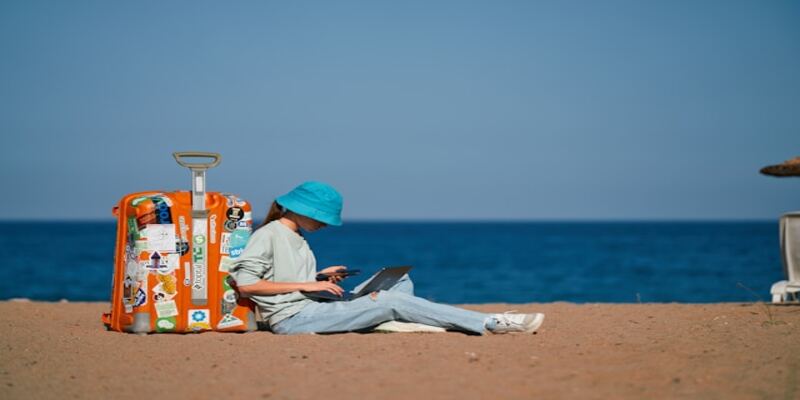
1. Loneliness is real. Constant movement makes it hard to build deep routines or feel anchored anywhere. You may spend a lot of time meeting people, but still feel like you do not fully belong.
2. Your work setup can fall apart fast. Spotty Wi-Fi, power cuts, noisy cafés, and weak air conditioning are not rare annoyances; they can ruin a client call or wipe out half a workday.
3. Timezone stress adds up. If your clients or teammates are 8 to 12 hours away, your mornings may start before sunrise or your evenings may end after midnight. That schedule can get old quickly.
4. Routine becomes harder than people expect. Sleeping well, eating decently, and exercising consistently are all more difficult when every new place has a different layout, kitchen, gym access, or walking environment.
5. Admin work follows you everywhere. Taxes, visas, insurance, banking, and renewals do not disappear just because you are changing scenery. In some months, the bureaucracy can feel like a second job.
6. Costs can surprise you. Cheap flights are only part of the picture. Add baggage fees, deposits, coworking passes, SIM cards, airport transfers, laundry, and the occasional last-minute hotel, and the budget can rise fast.
7. Decision fatigue is exhausting. You are always deciding where to go next, how long to stay, whether the internet is good enough, and whether a neighborhood feels safe and practical. That constant decision-making drains energy.
How to Decide If Nomad Life Is Right for You
Ask yourself these honest questions:
Do you handle uncertainty and change well, or do you need a steady routine to feel okay?
Are you comfortable working without someone watching over your shoulder?
Can you handle periods where work is slower or life gets more expensive than planned?
Do you enjoy your own company, at least some of the time?
Are you willing to deal with visas, taxes, and insurance without letting them ruin your mood?
A lot of people do best when they test the lifestyle first. A one-month stay, a two-city trip, or a temporary remote-work trial is often enough to show whether you actually enjoy it or just like the idea of it. That test run also reveals practical things you will not notice from Instagram, like whether you can sleep through street noise, whether your laptop battery lasts long enough, or whether your work really fits a travel schedule.
More Realistic 2026 Details

A good nomad setup usually starts with the job, not the destination. Common places to look for remote work include FlexJobs, We Work Remotely, Remote OK, Wellfound, Himalayas, JustRemote, and Remotive. For some higher-paying roles, Crossover still comes up often.
Visa rules matter more than most people expect. In 2026, several countries still offer digital nomad or remote-work visas, including Spain, Greece, Estonia, and the UAE, but the income threshold, paperwork, and tax treatment vary a lot by country. In practice, that means you need to check not just whether a visa exists, but whether your income level, employer setup, and passport nationality actually fit the rules.
Health insurance, proof of income, a clean criminal-record check, and a valid passport are now standard for many programs. That makes nomad life less about “just booking a one-way ticket” and more about keeping your documents organized before you move. It also helps to keep digital copies of everything in one place, because embassies, landlords, and coworking spaces all tend to ask for different versions of the same paperwork.
A realistic budget should include more than rent and flights. People often forget visa fees, deposits, coworking passes, mobile data, airport transfers, and emergency hotel nights. A safer approach is to keep at least one extra month of living costs available before you leave, especially if you freelance or depend on a single client.
There are also a few practical habits that make a huge difference. Pick neighborhoods with good walking access, groceries, and reliable internet instead of chasing the cheapest listing. Buy a local SIM or eSIM on day one.
Keep a backup hotspot or second internet option if your work depends on calls. And if your schedule is meeting-heavy, choose destinations in compatible time zones rather than forcing yourself into a bad sleep cycle.
Just For You

12 Best Places To Visit In Europe For Unforgettable Adventures
April 3, 2026

Top Highlighting and Contouring Tips for Every Face Shape
March 26, 2026

How To Perfectly Pair Tea With Food: Expert Tips And Tricks
March 24, 2026

Flavorful Tea Cocktail Ideas With Simple And Easy Instructions
March 21, 2026

Baby Language Development Apps: Early Support for Communication Skills
March 13, 2026
Best Countries for Digital Nomads in 2026 With Visa Programs That Work
March 13, 2026
Recommended For You

How To Plan The Perfect Road Trip Itinerary

Weight Loss Diet Plan for Men: 5 Weeks to a Leaner Body

How To Pair Tea With Alcohol For Unique Flavor Experiences

Can a Perfume Really Support Your Mood? Here’s What to Know

Game-Driven Learning: Best LMS Platforms That Boost Engagement